
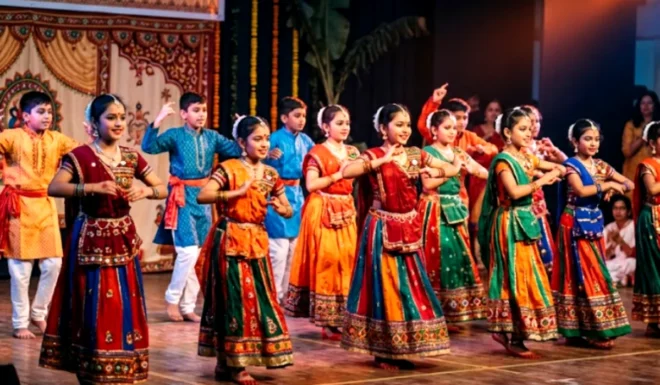
Choosing a school involves more than academic performance, classroom facilities, and examination results. Parents also want their children to explore creative interests, develop confidence, and discover talents beyond textbooks. Music, dance, theatre, and other performing arts can play an important role in creating a balanced educational experience.
For families comparing CBSE schools in Greater Noida, musical and performing arts development is an important factor to consider. These activities help students express emotions, communicate ideas, work with others, and become comfortable performing in front of an audience. They can also encourage discipline, creativity, patience, and self-confidence.
Greater Noida World School (GNWS) is one of the schools parents can consider when exploring educational opportunities in the area. To understand how GNWS compares with other CBSE schools in Greater Noida, parents should examine its current arts activities, music learning opportunities, performance platforms, teaching support, and student participation.
Rather than relying on facilities or promotional claims alone, families should assess how consistently students are encouraged to explore and develop their creative abilities.
Why Are Music and Performing Arts Important in School Education?
Music and performing arts allow students to learn in ways that complement traditional classroom teaching. While academic subjects develop knowledge and analytical thinking, creative activities give children opportunities to communicate, experiment, collaborate, and express themselves.
A well-rounded school experience can include singing, instrumental music, dance, drama, stage performances, and cultural activities. The range of opportunities matters because students have different interests and may discover their talents at different stages of their education.
Music and performing arts can contribute to student development in several ways:
- Creativity: Students experiment with rhythm, movement, storytelling, sound, and performance.
- Confidence: Participating in performances helps children become more comfortable expressing themselves in front of others.
- Discipline: Regular rehearsals encourage preparation, consistency, punctuality, and practice.
- Communication: Theatre, singing, and group performances give students opportunities to develop expression and presentation skills.
- Teamwork: Students learn to coordinate with others, listen carefully, and work towards a shared performance.
- Cultural awareness: Music, dance, and drama can introduce students to different traditions, stories, languages, and artistic styles.
These benefits make performing arts a meaningful part of holistic education rather than simply an occasional entertainment activity.
How Does GNWS Compare with Other CBSE Schools in Greater Noida?
When comparing Greater Noida World School with other CBSE schools in Greater Noida, parents should consider both the availability of creative activities and the opportunities students receive to practise them.
A school may organise annual functions or cultural celebrations, but students can benefit further when creative learning is supported throughout the academic year. Regular activities, appropriate guidance, and opportunities to participate can help children gradually develop their abilities.
Parents evaluating GNWS can consider the following areas.
1. Music Learning Opportunities
Music education can introduce students to vocal music, rhythm, melody, musical appreciation, and, where available, instrumental training. These experiences can help children explore their interests while developing listening skills and musical expression.
Parents should ask GNWS which music activities are currently offered, whether students receive structured instruction, and whether opportunities are available to different age groups.
It is also useful to understand whether beginners can participate comfortably or whether activities are mainly intended for students who already have musical experience.
2. Dance and Movement-Based Activities
Dance gives students an opportunity to combine movement, rhythm, expression, and coordination. Different dance forms can also introduce children to cultural traditions and creative storytelling.
When visiting GNWS, parents can enquire about dance activities, rehearsal arrangements, available practice spaces, and opportunities to participate in school events.
The aim should be to understand how students can explore dance according to their interests and abilities, rather than assuming that every child needs to pursue formal performance training.
3. Theatre, Drama, and Public Performance
Drama encourages students to develop expression, voice modulation, listening, collaboration, and storytelling skills. Participating in a play or stage presentation can also help students become more comfortable speaking in front of an audience.
Parents can ask whether GNWS provides opportunities for school plays, role-based activities, dramatic presentations, storytelling, or similar creative experiences.
Such opportunities can be valuable for students who enjoy acting, writing scripts, presenting stories, or working behind the scenes.
4. Cultural Programmes and Stage Exposure
School assemblies, cultural celebrations, talent events, and annual functions can provide platforms for students to showcase their interests.
However, parents should consider how these events are organised. It is worth asking whether participation is open to a broad range of students, how performers are selected, and whether children receive enough rehearsal and guidance.
Frequent, age-appropriate opportunities can help students build confidence over time instead of experiencing stage performance only once or twice a year.
What Should Parents Look for in a School’s Performing Arts Programme?
Parents comparing the best CBSE schools in Greater Noida should look beyond the presence of a music room, dance space, or auditorium. The quality of the learning experience also depends on teaching support, regular participation, and opportunities for creative growth.
Qualified Teachers and Appropriate Guidance
Students benefit from teachers who can explain artistic techniques, provide constructive feedback, and encourage improvement without creating unnecessary pressure.
Parents should ask about the qualifications or experience of music and performing arts instructors, the frequency of sessions, and the activities students can access at different grade levels.
Regular Practice and Rehearsals
Creative skills develop through practice. Regular sessions can help students improve rhythm, vocal control, movement, stage presence, and coordination.
Parents should find out whether performing arts activities are part of the school’s routine and whether students have suitable time and space to practise.
Inclusive Participation
Not every student wants to become a professional singer, dancer, or actor. Some children participate for enjoyment, while others may wish to pursue advanced training.
A supportive programme should encourage beginners and experienced performers alike. Parents can ask how the school helps students discover their interests and whether there are opportunities to participate without having to demonstrate exceptional talent from the beginning.
Recognition and Constructive Feedback
Recognition can motivate students, but creative development should not depend entirely on winning competitions or receiving awards.
Teachers can support progress by appreciating preparation, originality, teamwork, effort, and improvement. Constructive feedback helps students understand what they are doing well and what they can work on next.
How Do Performing Arts Help Students Develop Life Skills?
Music, dance, and theatre provide practical opportunities to develop skills that students can use in academic, social, and professional settings.
Building Self-Confidence
Performing before an audience can help students learn to manage nervousness and communicate more comfortably. Even participating in a small classroom presentation can be a useful starting point for a child who feels shy.
Confidence generally develops through repeated experiences, encouragement, and preparation rather than through a single performance.
Developing Teamwork and Cooperation
A group song, dance routine, or stage production requires students to coordinate timing, listen to others, and fulfil individual responsibilities.
Students learn that a successful performance depends on collective effort. They also practise responding to mistakes, adjusting to changes, and supporting their teammates.
Encouraging Discipline and Time Management
Rehearsals require preparation and consistent attendance. Students must learn their parts, practise movements, remember cues, and coordinate their commitments with academic responsibilities.
These habits can strengthen organisation and perseverance when activities are scheduled in a balanced and age-appropriate way.
Supporting Emotional Expression
Music and drama give children different ways to explore ideas, communicate feelings, and interpret stories. Creative activities can provide meaningful opportunities for expression, although they should not be treated as a substitute for professional support when a child needs it.
How Can Parents Assess GNWS Against Other Schools?
There is no reliable basis for assigning GNWS a definitive comparative rating without verified, up-to-date information about its performing arts facilities, instructors, timetable, student participation, and recent activities.
Parents can make a more informed comparison by evaluating each school against the same criteria.
| Evaluation factor | What parents should check |
|---|---|
| Music education | Available vocal and instrumental activities |
| Dance and drama | Types of classes, activities, and guidance |
| Learning spaces | Availability and suitability of practice areas |
| Performance opportunities | Assemblies, annual events, cultural programmes, and competitions |
| Student participation | Opportunities for beginners and different age groups |
| Teaching support | Instructor experience, feedback, and session frequency |
| Creative development | Evidence of regular practice and student progress |
Parents can use this framework when visiting GNWS and other CBSE schools in Greater Noida. They should also ask for examples of recent student activities rather than relying solely on general descriptions.
The most suitable school will depend on the child’s interests, whether they prefer music, dance, drama, or several creative activities, and how much structured guidance they need.
Balancing Performing Arts with Academic Learning
Creative activities should complement academic learning rather than compete with it unnecessarily. A balanced school routine gives students opportunities to develop artistic interests while maintaining time for lessons, homework, rest, and physical activity.
Parents considering GNWS can ask how performing arts activities fit into the school timetable, whether students can join extracurricular programmes, and how rehearsals are managed during examination periods.
It is also important to allow children to explore more than one interest. A student might enjoy music without wanting formal performance training, while another may discover a passion for theatre or dance after trying it for the first time.
Schools that encourage exploration can help students recognise their strengths and make informed decisions about which activities they wish to pursue further.
Conclusion
Musical and performing arts development is an important consideration when comparing CBSE schools in Greater Noida. Music, dance, theatre, and cultural activities can help students develop creativity, confidence, communication, discipline, and teamwork alongside their academic education.
For parents considering Greater Noida World School (GNWS), the next step is to review its current performing arts offerings, teaching support, practice arrangements, and opportunities for students to participate in performances. Comparing these factors with those of other schools can help families understand which environment best matches their child’s interests and aspirations.
Ultimately, a valuable performing arts programme should do more than prepare students for stage events. It should give them regular opportunities to explore their creativity, learn from feedback, work with others, and enjoy expressing themselves. These experiences can contribute to a more balanced and enriching school journey.
Frequently Asked Questions (FAQs)
1. How can parents compare performing arts opportunities at CBSE schools in Greater Noida?
Parents should compare music and dance activities, drama opportunities, teaching support, practice facilities, performance platforms, and participation across age groups. Visiting the campus and asking about recent activities can provide a clearer picture.
2. Does GNWS provide music and performing arts activities?
Parents should contact Greater Noida World School directly to confirm its current music, dance, drama, and cultural activities, along with the availability of specialist instructors and regular practice sessions.
3. Why are performing arts important for school students?
Performing arts encourage creativity, communication, confidence, collaboration, discipline, and cultural awareness. They provide opportunities for students to express ideas and explore interests outside traditional academic subjects.
4. What should parents look for in the best CBSE school for music and dance?
Parents should consider the quality of instruction, regular practice opportunities, available facilities, student participation, stage exposure, and whether activities suit different skill levels.
5. Can performing arts help students improve their confidence?
Participating in singing, dance, theatre, and presentations can give students opportunities to practise self-expression and become more comfortable in front of others. The benefits depend on the individual and the quality of guidance provided.
6. How do school cultural activities benefit students?
Cultural activities can introduce students to different artistic traditions, encourage teamwork, develop presentation skills, and create opportunities to share creative work with the school community.
7. Should parents prioritise academics or performing arts when choosing a school?
Both deserve consideration. Parents should look for a school that provides a suitable academic foundation while allowing children to explore creative interests without an unreasonable workload.